
48 Hours of Building: The First Workpeg Hackathon Story
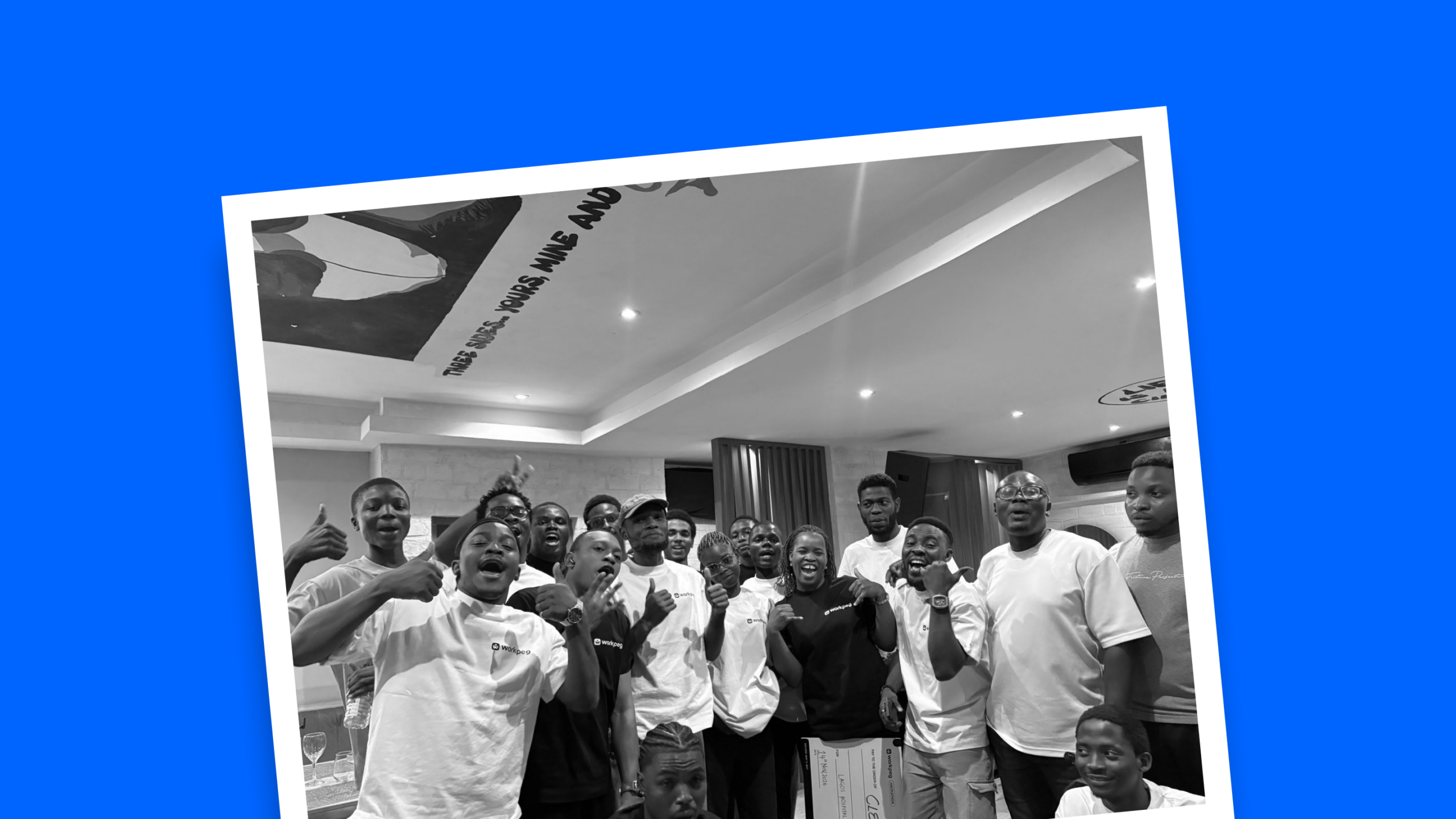
Lagos, Nigeria | November 13–14, 2026
It started with a simple idea: bring builders together.
There is a difference between telling people what a product can do and giving them the opportunity to find out for themselves. For us at Workpeg, that difference was one of the reasons we decided to host our first hackathon. We are building something that opens up a lot of possibilities for how software is created and used. And while we could talk about those possibilities all day, we wanted people to experience them for themselves.
We needed builders.
We wanted developers, designers, product owners, and other builders in one room, with access to our tools and the freedom to explore what they could create.
We had already built some of our early Pegs ourselves and for some of our early customers, giving people a glimpse of what was possible. But we wanted to take things a step further. We wanted to see what other people could build with Workpeg, the ideas they would bring to the table, and the different ways they would approach creating software with our platform.
So, we brought everyone together in Lagos for the first Workpeg Hackathon.
Ten teams. One challenge. A lot of ideas.
On November 13, 2026, we welcomed our participants to Lagos for two days of building and a challenge centred around one industry: hospitality.
We brought together ten teams, made up of both individuals and groups, and gave them the freedom to come up with their own solutions within the hospitality space. Hotels, restaurants, guest experiences, service delivery. There was plenty to explore, and we were curious to see where everyone would take their ideas.
Most participants leaned towards hotel and restaurant-related solutions, each approaching the industry from a different angle.
We didn’t want everyone building the same thing. We wanted to see different ideas, different approaches, and what people could come up with when they had the tools to make those ideas happen.
48 hours on the clock. Let’s build!
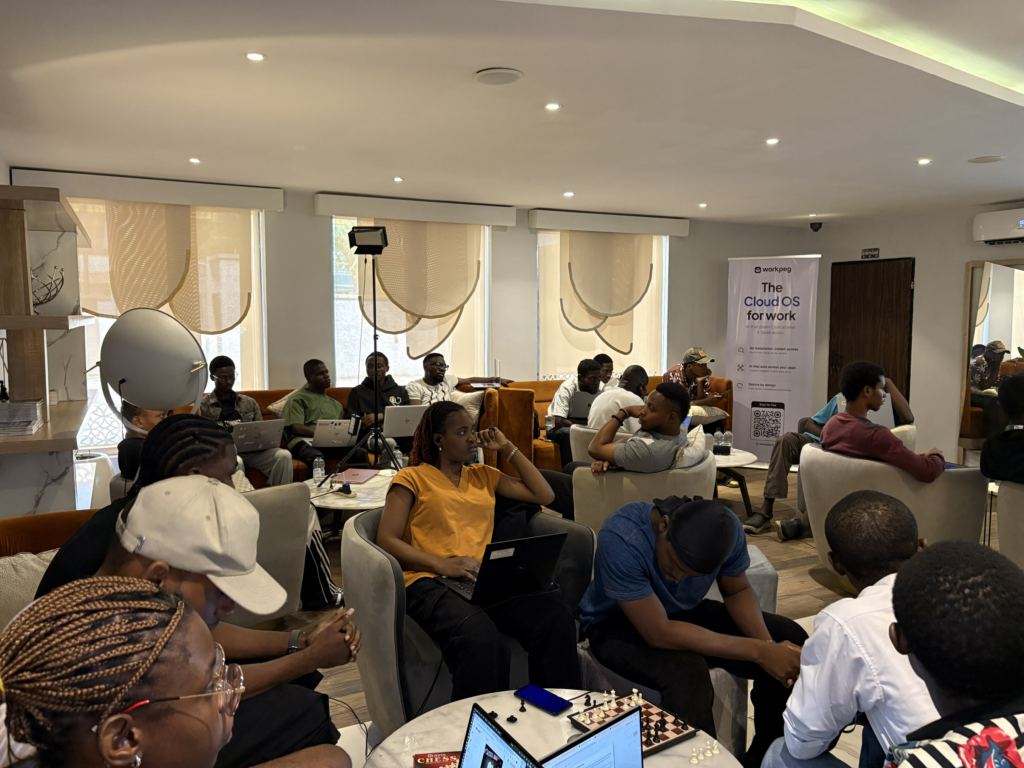
Two days. Ten teams. One challenge: build something within the hospitality space.
Participants had 48 hours to take an idea and turn it into a working application. But before they could get building, they had to get familiar with the Workpeg SDK, explore what it could do, and figure out how to put it to use.
That was a big part of why we were excited about the hackathon. We wanted people to experience building with Workpeg firsthand and see how the SDK and Workpeg AI could help them move from an idea to a working product faster.
And soon enough, the building began.
Teams explored different ideas, worked through their approaches, and started bringing their applications to life. Some focused on hotels, others on restaurants, but everyone had their own take on the challenge.
There was also a small team-up we didn’t plan for. Two participants who had registered individually found that they worked well together and decided to join forces. It was a lovely thing to see. They came in as individuals and ended up building together.
More Than Just Building
We wanted the hackathon to be about building, but not building alone for 48 hours straight.
With everyone working in the same space, there was room to meet other builders, exchange ideas, get to know one another, and take a break from the work every now and then.
And honestly, the people made that part of the experience even better than we expected.
The chemistry among participants was lovely. Everyone got along, conversations flowed, and people seemed genuinely comfortable around one another, even though many were meeting for the first time.
On the final night, we rounded things off with a Workpeg dinner. Just a room full of people who came to build, got along, and made the most of the experience.
For a first hackathon, we couldn’t have asked for a better group of people.
Time to show us what you’ve built.
After 48 hours of ideas, development, and plenty of work behind the scenes, it was finally time for the teams to present their projects.
Each team had the opportunity to walk the judges through their idea, explain the problem they were trying to solve, and demonstrate what they had built.
We had five judges joining us for the final presentations, and we’d like to give them a big shout-out for lending us their time and expertise.
It was exciting seeing the different projects come together. At the beginning of the hackathon, everyone had an idea of what they wanted to build. Now, we were getting to see those ideas as actual applications.
Of course, there could only be one first-place winner.
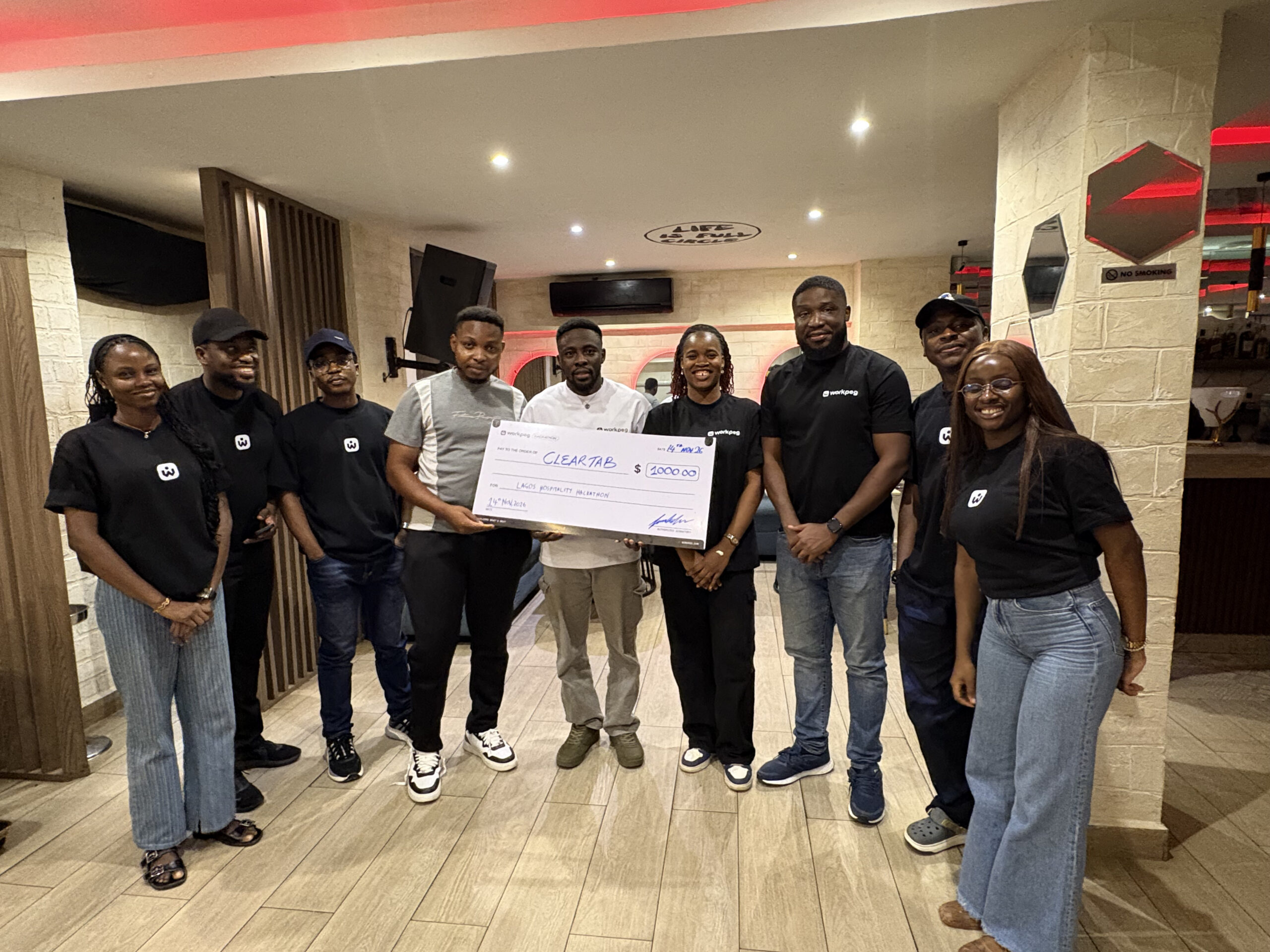
And that was ClearTab!
Meet ClearTab, our first hackathon winner.
Imagine walking into a restaurant and having almost everything you need available through a single QR code. No waiting around for a physical menu.
No separate process for placing your order. No complicated steps when it’s time to pay.
That was the idea behind ClearTab.
The team wanted to simplify the restaurant experience by bringing the entire process into one digital flow. Customers could scan a QR code to check in, browse the menu, place their orders, and make payments, all from their phones. But what made the project particularly interesting to us was how the team brought it to life using Workpeg.
They built the administrative interface for the restaurant on Workpeg, giving the restaurant staff an environment to manage the process, while the customer experience was accessible through the QR code on a mobile interface.
It was a practical solution to a familiar problem, and a great example of how builders can use the Workpeg SDK to develop applications for real-world businesses.
ClearTab took home the first-place win at our inaugural hackathon, and we couldn’t be more excited to see what the team does next.
Congratulations, ClearTab!
A first edition we’re proud of.
Organising your first hackathon comes with its fair share of expectations. You have plans for how things should go, ideas about the kind of experience you want to create, and, of course, hopes for what participants will take away.
But sometimes, the actual experience turns out even better than you imagined.
That was the case for us.
The quality of interactions among participants, their willingness to collaborate, the projects they presented, and the overall atmosphere made these two days particularly memorable. Everything came together so smoothly, and we didn’t experience any major participant-related difficulties.
We were especially happy with the sense of community that developed among everyone. People came to build, but they also left having met new people, shared experiences, and hopefully made connections that will continue beyond the event.
And for us, that matters.
We wanted people to experience Workpeg, but we also wanted to create an environment where builders could meet other builders, exchange ideas, and enjoy the process. Looking back, we think we got exactly that.
And we’re just getting started.
The first Workpeg Hackathon was more than two days of building for us. It was an opportunity to put our tools in the hands of other builders and see what they could do with them.
Ten teams came in with different ideas. Applications were built, new connections were made, and ClearTab became the first winner of the Workpeg Hackathon.
But we’re not stopping here. We want more developers, designers, product owners, and independent builders to discover Workpeg, explore the SDK, and build applications that solve real problems across different industries.
There is still so much to explore, and we’re excited about the people and ideas that will become part of this journey.
To everyone who applied, participated, built, collaborated, and helped bring this event together, thank you for making our first hackathon such a memorable experience.
To our judges, thank you for being part of this milestone.
And to ClearTab, congratulations once again!
Our first Workpeg Hackathon is in the books. We’re already looking forward to the next one.
-

How functions work on Workpeg
A peg is an app that runs inside Workpeg, and you write all of it in Python: the screens people use and the logic behind them. We call the logic a function.…
-
How People Actually Use AI at Work
AI has become part of everyday work. People use it to write emails, summarise documents, generate ideas, analyse information, write code, and get through tasks that would otherwise take longer.But there’s a…
-
AI Doesn’t Need More Tools. It Needs Somewhere to Work.
AI has gotten very good at talking about work. It can draft the email, summarize the thread, suggest the next step, and even tell you what to do next. Then it stops.…
